Designing Modern Office Interiors for Enhanced Productivity
Creating a workspace that fosters productivity and creativity is essential in today’s fast-paced business environment. Modern office interiors are no longer just about aesthetics; they play a crucial role in employee well-being, collaboration, and efficiency. This article explores practical strategies and design principles to help you craft an office environment that supports your team’s best work.
The Importance of Modern Office Interiors
Modern office interiors focus on blending functionality with style to create spaces that inspire and motivate. Unlike traditional office setups, these interiors emphasize open layouts, natural light, and ergonomic furniture. The goal is to reduce stress and distractions while promoting comfort and engagement.
For example, incorporating adjustable desks allows employees to switch between sitting and standing, which can improve posture and reduce fatigue. Additionally, using sound-absorbing materials helps minimize noise pollution, creating a quieter and more focused atmosphere.
Key elements of modern office interiors include:
Open floor plans with flexible workstations
Use of natural materials and greenery
Smart lighting solutions that mimic natural daylight
Collaborative zones alongside quiet areas for focused work
Ergonomic furniture tailored to individual needs
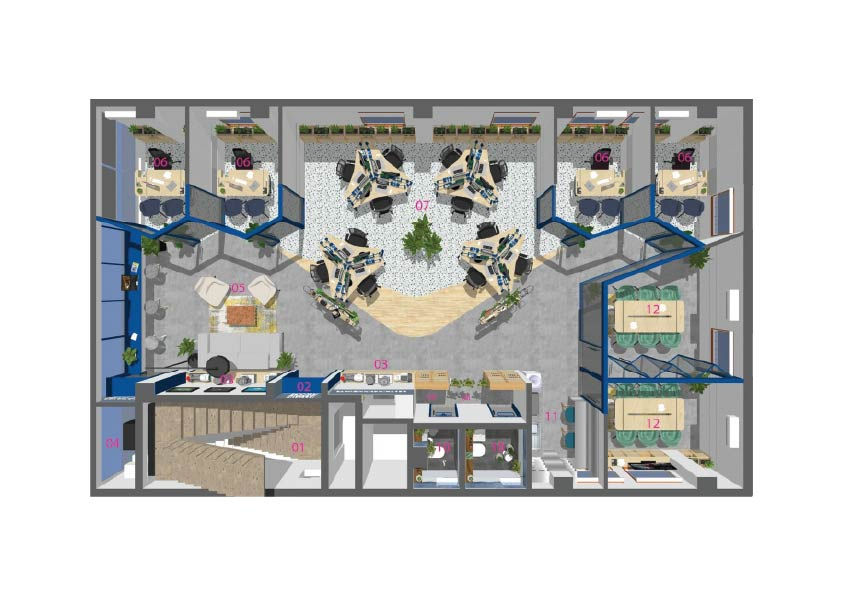
Designing for Productivity with Modern Office Interiors
To maximize productivity, office design must consider how people work and interact. Here are some actionable recommendations:
Zoning the Space
Divide the office into distinct zones such as collaboration areas, quiet zones, and social spaces. This allows employees to choose the environment that best suits their task.
Incorporate Biophilic Design
Adding plants and natural elements can reduce stress and increase creativity. Even small touches like potted plants or green walls make a difference.
Optimize Lighting
Use a combination of natural and artificial lighting. Adjustable LED lights with warm and cool settings help maintain energy levels throughout the day.
Invest in Ergonomic Furniture
Chairs and desks that support good posture prevent discomfort and health issues, which can otherwise reduce productivity.
Technology Integration
Ensure seamless connectivity with wireless charging stations, ample power outlets, and smart meeting rooms equipped with video conferencing tools.
Personalization Options
Allow employees to personalize their workspaces to create a sense of ownership and comfort.
By implementing these strategies, offices can become dynamic environments that adapt to different work styles and needs.

Who is the CEO of Office Interiors?
This question often arises when discussing leadership in the office design industry. However, there is no single CEO of office interiors as a whole. Instead, many companies specialize in office interior design, each led by their own executives. These leaders drive innovation and set trends in workspace design, focusing on creating environments that enhance productivity and employee satisfaction.
For instance, companies like Herman Miller, Steelcase, and local design firms have CEOs who champion modern office interiors. Their vision shapes how offices evolve to meet the demands of contemporary work culture.
Practical Tips for Implementing Contemporary Office Interiors
When planning your office redesign, consider these practical steps to ensure success:
Conduct Employee Surveys
Understand the needs and preferences of your team before making changes.
Start Small
Pilot new design elements in a section of the office to gather feedback and make adjustments.
Hire Experienced Designers
Collaborate with professionals who specialize in contemporary office interiors to leverage their expertise.
Focus on Sustainability
Use eco-friendly materials and energy-efficient systems to reduce environmental impact.
Plan for Flexibility
Design spaces that can easily be reconfigured as your team grows or work styles change.
Maintain Clear Communication
Keep employees informed throughout the redesign process to ensure buy-in and smooth transitions.
These steps help create a workspace that not only looks good but also supports long-term productivity and employee well-being.

Enhancing Employee Well-being Through Design
Employee well-being is a critical factor in productivity. Modern office interiors can contribute significantly by addressing physical and mental health needs.
Natural Light Exposure
Maximizing windows and using glass partitions allow daylight to penetrate deeper into the office, improving mood and energy.
Acoustic Comfort
Use soundproofing panels and soft furnishings to reduce noise distractions.
Air Quality
Incorporate air purifiers and ventilation systems to maintain fresh air.
Breakout Spaces
Design comfortable areas where employees can relax and recharge.
Color Psychology
Use calming colors like blues and greens in work areas, and energizing colors like orange in collaborative zones.
By prioritizing these elements, offices become healthier places that encourage focus and creativity.
Moving Forward with Your Office Design
Designing modern office interiors is an ongoing process that requires attention to detail and a willingness to adapt. We at Curious Case Of Design(CCOD) based out of Bangalore, start by assessing your current space and identifying areas for improvement. Engage your team in the process and seek expert advice to create a balanced environment that supports productivity and well-being.
Remember, the right office design can transform how your team works, collaborates, and feels every day. Embrace innovation and flexibility to build a workspace that meets the demands of the modern workplace.
By following these guidelines, you can create a modern office interior that not only looks impressive but also drives productivity and employee satisfaction. Whether you are starting from scratch or updating an existing space, thoughtful design choices will make a lasting impact.


Comments